
Indian benchmark equity indices, Sensex and Nifty, experienced a decline in early trade on Wednesday due to profit-taking, following a robust two-day rally that saw significant gains throughout the month. Track Sensex, Nifty on November 18.
Indian benchmark equity indices snapped a two-day rally, with the Sensex falling over 500 points and the Nifty settling below 25,230, driven by profit-taking and global market bearishness fueled by US Federal Reserve rate hike speculations.

Indian benchmark indices, Sensex and Nifty, extended their rally for a second consecutive day, driven by steady foreign fund inflows, moderate crude oil prices, and strong buying in key sectors like Reliance Industries and bank stocks, defying a weak global market trend.
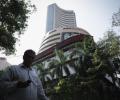
Indian benchmark equity indices, Sensex and Nifty, experienced a decline in early trade, primarily due to a sell-off in IT stocks and growing concerns over potential interest rate hikes by the US Federal Reserve. Track, Sensex, Nifty on November 19, 2026.

Indian benchmark equity indices, Sensex and Nifty, extended their winning streak for a third consecutive day, driven by sustained foreign institutional investor (FII) inflows and a dip in global crude oil prices. The Sensex closed above 81,900, while the Nifty settled near 25,300, despite mixed global cues.

Indian benchmark indices Sensex and Nifty extended their rally in early trade, driven by strong buying in IT firms and an earnings-driven surge in Tata Group's retail arm, Trent, which reported a 25 per cent increase in net profit.

Indian benchmark indices Sensex and Nifty experienced declines in early trade due to profit-taking following a recent rally and a bearish trend across global equities, with major Asian and US markets also seeing significant drops. Track Sensex, Nifty on November 20.

Indian stock markets witnessed a strong rebound, with the Sensex climbing nearly 1,000 points to 83,021.75 and the Nifty settling above 25,500 for the first time in nine months, driven by a rally in auto, bank, and FMCG stocks, sustained foreign fund inflows, and easing commodity prices.

Indian banks and non-banking financial companies (NBFCs) are undertaking a comprehensive review and reset of their engagement terms with fintech firms, driven by the Reserve Bank of India's (RBI) draft Guidance on Regulatory Expectations for Data Governance and the stringent compliance requirements of the Digital Personal Data Protection (DPDP) Act, 2023, and its 2025 Rules.

'Indiscriminately withdrawing these drugs could lead to a worsening of other associated conditions.'

The Ministries of Skill Development & Entrepreneurship and Corporate Affairs spent only 8 per cent of their FY27 Budget Estimates in the first half of the financial year, making them among the top underspenders, according to data from the Controller General of Accounts.

Indian benchmark indices Sensex and Nifty closed lower, primarily due to declines in Reliance Industries and IT sector stocks, coupled with rising crude oil prices and investor caution ahead of the US Federal Reserve's policy decision.

A Public Interest Litigation has been filed in the Supreme Court challenging the Centre's decision to impose a 0.4 per cent Merchant Discount Rate (MDR) on UPI person-to-merchant transactions exceeding Rs 2,000. The plea argues that the levy was introduced without adequate statutory safeguards, transparency, or public consultation, and questions its constitutional validity and potential adverse effects on merchants and consumers.

Indian benchmark indices Sensex and Nifty extended their rally for the fifth consecutive day, driven by significant foreign institutional investor inflows and a dip in global crude oil prices, signalling a positive shift in market sentiment. Track Sensex, nifty on November 4, 2026.

Indian benchmark indices Sensex and Nifty saw a rebound in early trade, primarily driven by a more than 4 per cent surge in Tata Consultancy Services (TCS) shares following its robust Q2 net profit announcement. Track Sensex, nifty on October 9.
Indian benchmark indices Sensex and Nifty traded higher in early sessions, driven by sustained foreign fund inflows and moderate crude oil prices, even as global markets experienced a significant sell-off, particularly in the US and Asia. Track Sensex, Nifty on November 6, 2026.

Indian equity benchmarks Sensex and Nifty rallied up to 1 per cent in early trade, driven by strong performance in IT stocks, Reliance Industries, and favourable global market sentiment, rebounding from previous losses.

Indian benchmark indices, Sensex and Nifty, closed largely unchanged after a volatile trading session, influenced by persistently high crude oil prices, selling pressure in major bank stocks, and investor caution ahead of the US Federal Reserve's policy decision.

Indian benchmark indices Sensex and Nifty saw an early rebound, driven by strong performances from blue-chip HDFC Bank and major IT firms like HCL Tech, which reported a significant rise in net profit. Track Sensex, Nifty on October 13.
Indian stock markets extended their rally for the fifth consecutive day, with the Sensex climbing nearly 384 points to close above 77,000, driven by foreign fund inflows, easing crude oil prices, and improved global sentiment following the US midterm election results.
Indian benchmark equity indices, Sensex and Nifty, saw gains in early trade, primarily driven by strong buying in Reliance Industries and sustained foreign fund inflows. Adani Ports also emerged as a significant gainer after reporting an 18 per cent rise in consolidated net profit. Track Sensex, Nifty on October 29.

Indian benchmark indices Sensex and Nifty experienced a significant drop in early trade, primarily due to a sell-off in IT stocks, a surge in crude oil prices, and investor caution ahead of the US Federal Reserve's policy decision.

Indian equity benchmarks Sensex and Nifty extended their losses for a third consecutive session, with the Sensex declining 460.30 points and the Nifty dropping 123.70 points, primarily due to surging crude oil prices driven by escalating tensions in West Asia and weak global cues.
Indian benchmark indices, Sensex and Nifty, surged over 1 per cent, recovering from two days of losses, driven by a strong rally in IT stocks, particularly TCS, and a moderation in global crude oil prices.

Indian benchmark indices, Sensex and Nifty, experienced declines in early trade due to persistently high crude oil prices and significant selling pressure in IT stocks, with global factors like US bond yields and upcoming Federal Reserve decisions also contributing to cautious investor sentiment. Track Sensex, Nifty on October 27.

Indian benchmark indices, Sensex and Nifty, recovered early losses on Wednesday, driven by strong buying in IT stocks and HDFC Bank, sustaining the previous session's recovery despite FII outflows. Track Sensex, Nifty on October 14.

Union Road Transport Minister Nitin Gadkari has dismissed criticism against blending 20 per cent ethanol in petrol fuel as a 'paid campaign'. He highlighted that millions of vehicles are already running on E19-20 blends without widespread issues. Gadkari also addressed concerns about highway quality, promising improvements within two years and detailing plans for monitoring and penalising contractors. He further elaborated on the economic impact of infrastructure development and the expansion of India's highway network.
Indian benchmark stock indices, Sensex and Nifty, closed lower due to profit-taking, a spike in wholesale price-based inflation, and firm crude oil prices, despite some support from easing intraday crude oil prices and rupee appreciation.
Indian benchmark equity indices, Sensex and Nifty, significantly recovered from sharp early losses, driven by buying in State Bank of India and Reliance Industries, alongside fresh foreign fund inflows, despite declines in Axis Bank and HDFC Bank.
Indian benchmark indices Sensex and Nifty traded lower in early sessions due to profit-taking and significant foreign institutional investor (FII) outflows, despite strong performance from IT stocks like Tech Mahindra. Track Sensex, Nifty on October 16.
Indian equity benchmark indices extended losses for a second consecutive session, with the Sensex dropping 143 points, driven by a sell-off in power, banking, and financial stocks, coupled with elevated crude oil prices and persistent FII selling.

Large office leases in Mumbai and Delhi-NCR are commanding premium rentals in key micro-locations, driven by a scarcity of quality Grade-A space and sustained occupier demand, according to real estate consultants.

Indian benchmark equity indices, Sensex and Nifty, closed lower for the fourth consecutive session, driven by a surge in crude oil prices above USD 114 per barrel due to escalating tensions in West Asia, coupled with broad-based selling and FII outflows.

Indian IT stocks have experienced their most significant weekly surge in 18 years, with the Nifty IT index climbing 11.72 per cent, as a global sell-off in AI-linked equities redirected investor attention towards India's IT services sector. This shift aligns with a JP Morgan report identifying India as a 'natural AI hedge' due to its large, liquid market and strong domestic institutional investor base.
Indian benchmark indices Sensex and Nifty closed higher for the second consecutive day, primarily driven by robust buying in IT stocks following strong quarterly results and positive global trends. Tech Mahindra notably surged over 8% after reporting a significant jump in net profit.
Indian benchmark indices Sensex and Nifty saw a sharp rebound in early trade, driven primarily by a rally in IT stocks and a decline in crude oil prices, even as global markets faced selling pressure due to US inflation concerns. Track Sensex and Nifty on

India's government has implemented stringent new regulations under the Telecommunications Act 2023, mandating that all communication infrastructure providers, including those utilising cloud-based networks, must store telecommunication data exclusively within the country, a move expected to significantly impact domestic data centre demand.
Indian benchmark stock indices, Sensex and Nifty, experienced a significant drop on Monday, with the Sensex falling by nearly 548 points, primarily due to a fresh spike in crude oil prices, persistent foreign fund outflows, and rising bond yields.

More patients can now afford semaglutide, but the early excitement around the drug is fading.

The Telecom Regulatory Authority of India (Trai) has mandated that service providers offer voice-and-SMS-only tariff plans, without bundled data, with a minimum validity of 30 days or less, aiming to provide more affordable and shorter-duration options for consumers who do not require data.
